The ZJ family is listed for 10, 24 and 35 kV and the composite FZSW3 for 12, 24 and 40.5 kV. Picking one is easy; keeping the pick honest means naming the three things a specification cannot decide about your equipment.
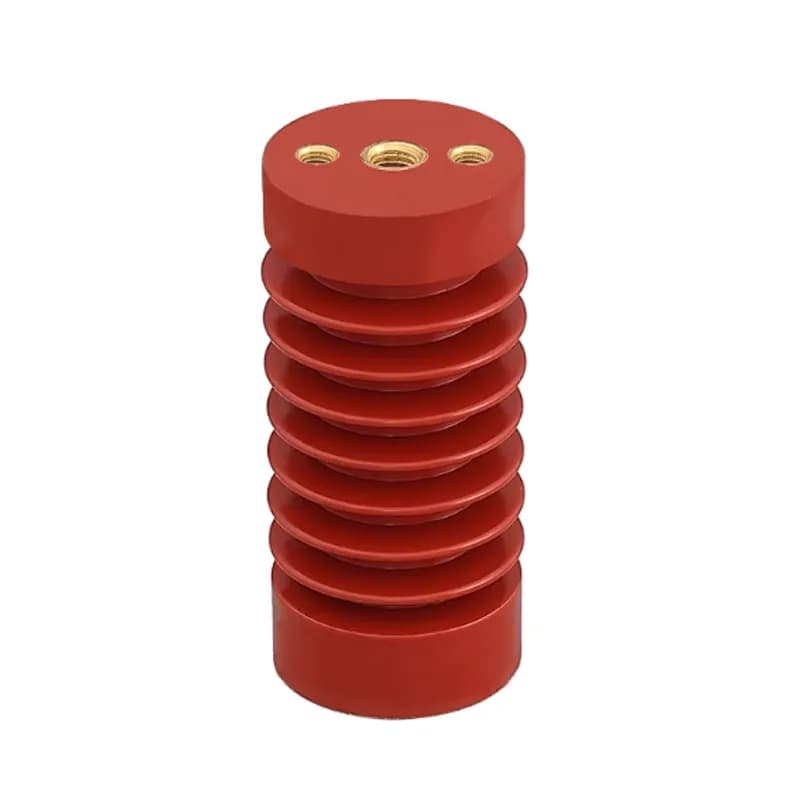
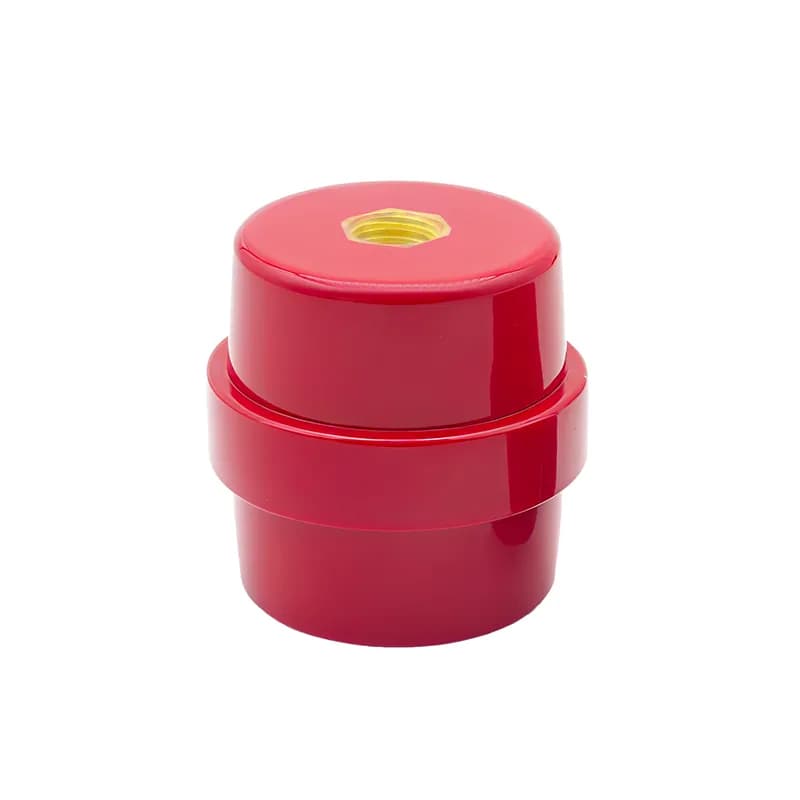
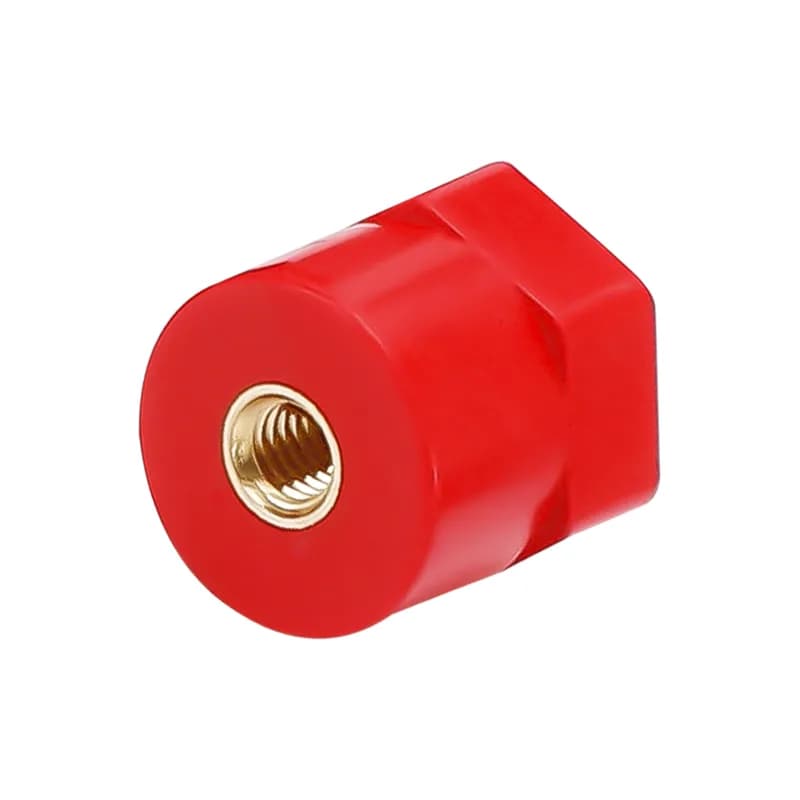
Start with the existing range. The ZJ post insulator is listed class by class — 10, 24 and 35 kV, with a 40.5 kV line — and each class is its own line with its own item numbers. The composite FZSW3 family is written against 12, 24 and 40.5 kV, and the low-voltage KLY, MNS, EL and SM stand-off families serve busbar and panel insulation in LV equipment.
A design that falls between two standard classes goes to the next class up that the assembly can physically accept. That is a convention, not a calculation, and it is the safe direction: nothing in the range asks you to load a line at the top of its class.
What the specification cannot decide is the other three inputs. First, the duty: the insulator is only one joint in the equipment, and the rating of a finished cabinet is set by the busbar, how it is supported and how the enclosure is put together. Second, the height: the insulator is chosen with the panel spacing, not after it, so the height is written into the specification. Third, the neighbour: two insulators on one plate with a bar between them behave differently from the same insulators alone on a bench.
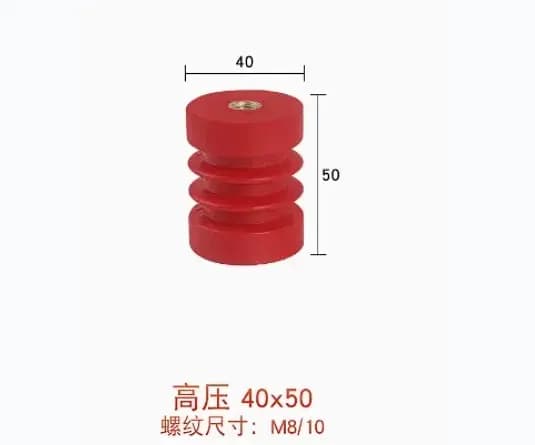
So the question we ask before quoting is not what the class is, but what is on both sides of it. Tell us the voltage class of the equipment, the busbar or panel spacing, the mounting hole pattern, and the thread at each end. With those four we name the item numbers; without them we are guessing at a part that a machine will drill.
One more thing a class does not do: it is not a guarantee for your assembly. The classes are how the range is organised. Where a design sits at the edge of a class, that is a conversation with the equipment's own designer rather than a line on our website.