Inside one family, every difference between two item numbers is written out in the item description. Once you know which words matter, most of the selection is already made.
Take a real line: SM7130 brown with a high-strength insert, and SM34*6 standard. Those are the same family, two decisions apart — the insert and the height.
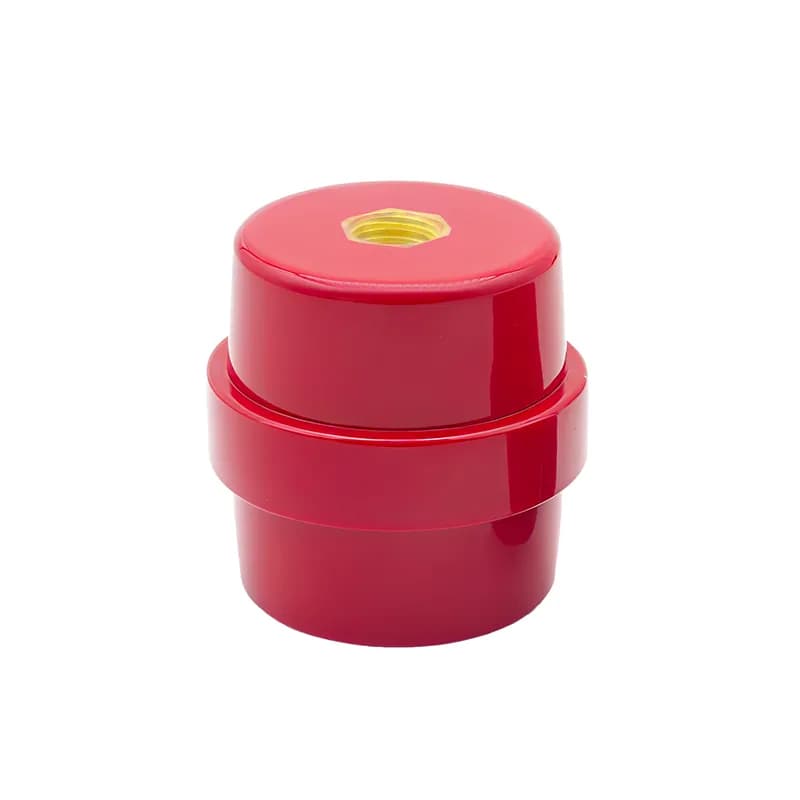
The material is the first word: epoxy (EL / SM), porcelain, or composite silicone-rubber. Within a family the bodies usually exist in several colours, which is why a product line reads as a grid of item numbers rather than a single part.
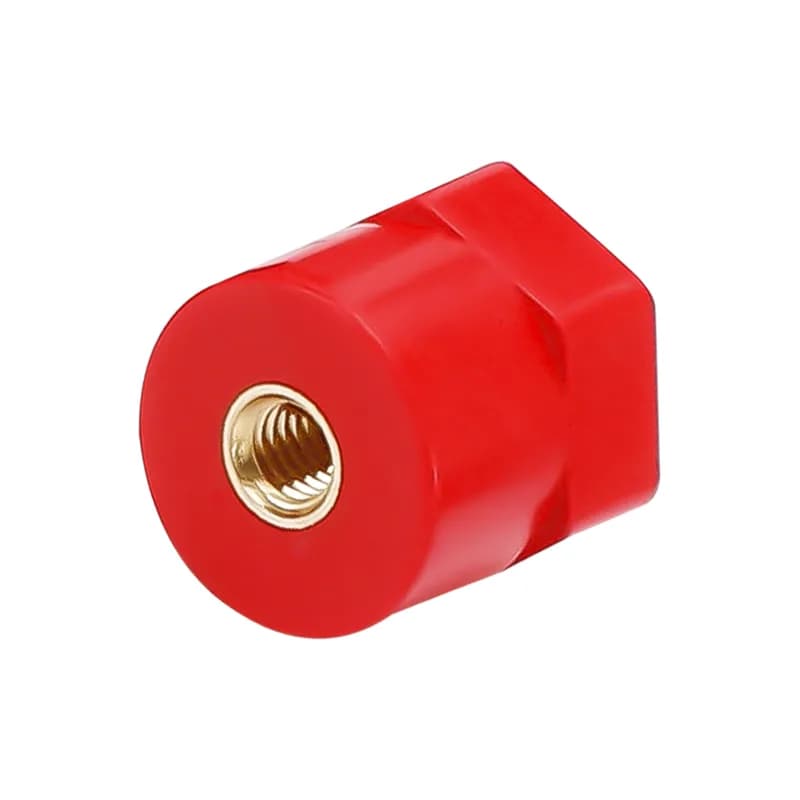
The insert is the second. A high-strength iron insert, a stainless insert, or a copper core are separate item numbers on the same body, so the fixing is picked against the load the bar puts on it. The SMK line writes the insert and the effective thread into the specification (M10*20, effective thread ≥15).
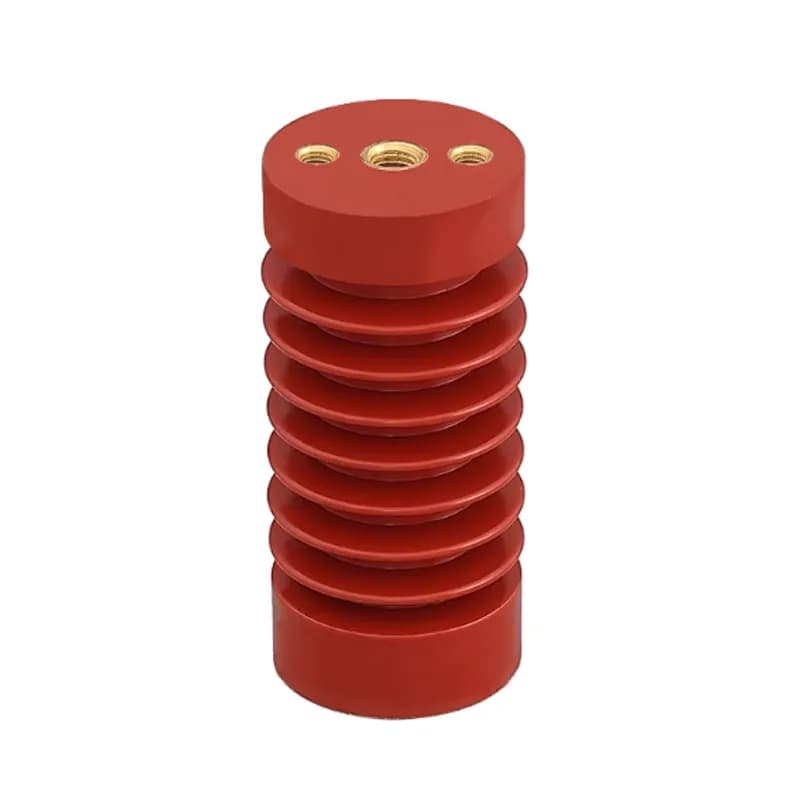
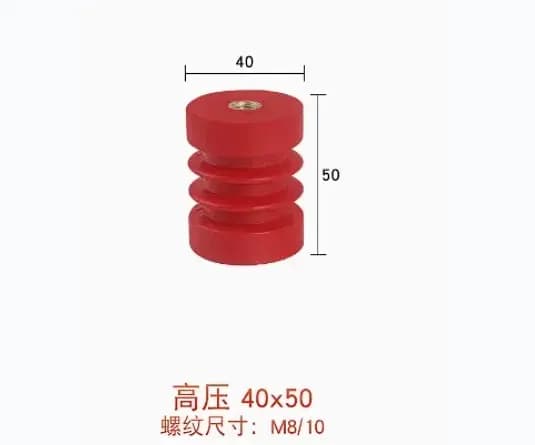
The third is the height and the thread at each end. Several lines spell it out: 52 height, top M12 / bottom M16 on the EL-10Q, or the flange patterns on the ZJ post (top flange 70/3-M10, bottom 90/1-M16). Then the colour: red, grey, yellow and white are ordering options for the phase marking.
Two more that buyers miss. The shell material and the rod length: KLY14234G rod length 6.5, or the WX-1 porcelain line with double rod length 50. And the custom copper-core bodies quoted from a drawing.
Read that way, the specification is a checklist. When an enquiry sends only a photo, half of these decisions have to be re-derived from a calliper; when it sends the specification, the item number is confirmed in one reply.