The colour on the order line is the colour of the phase marking on the panel. It is worth being precise about what it does and does not tell the assembly team.
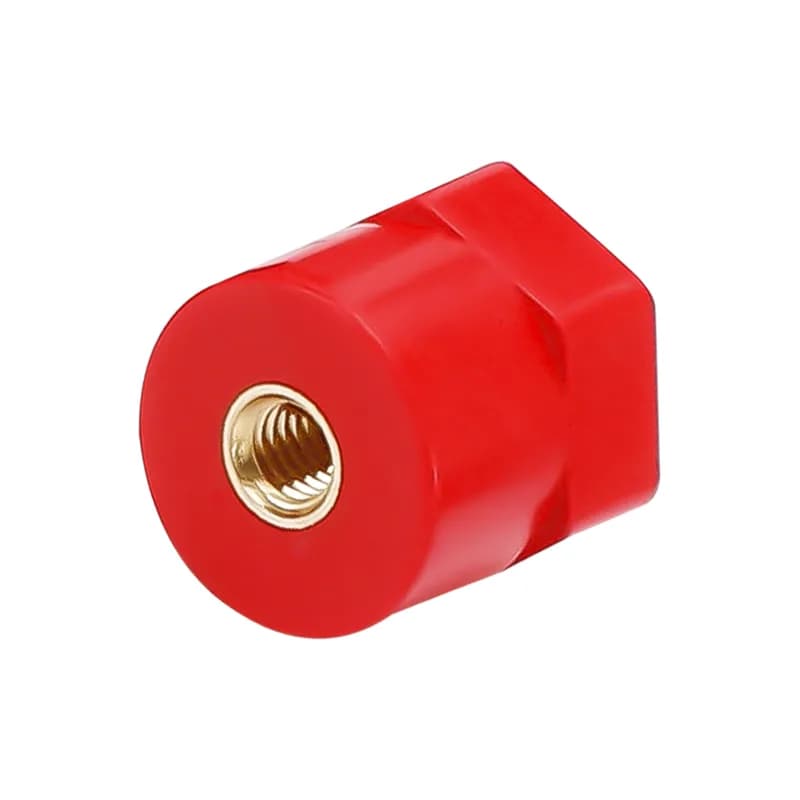
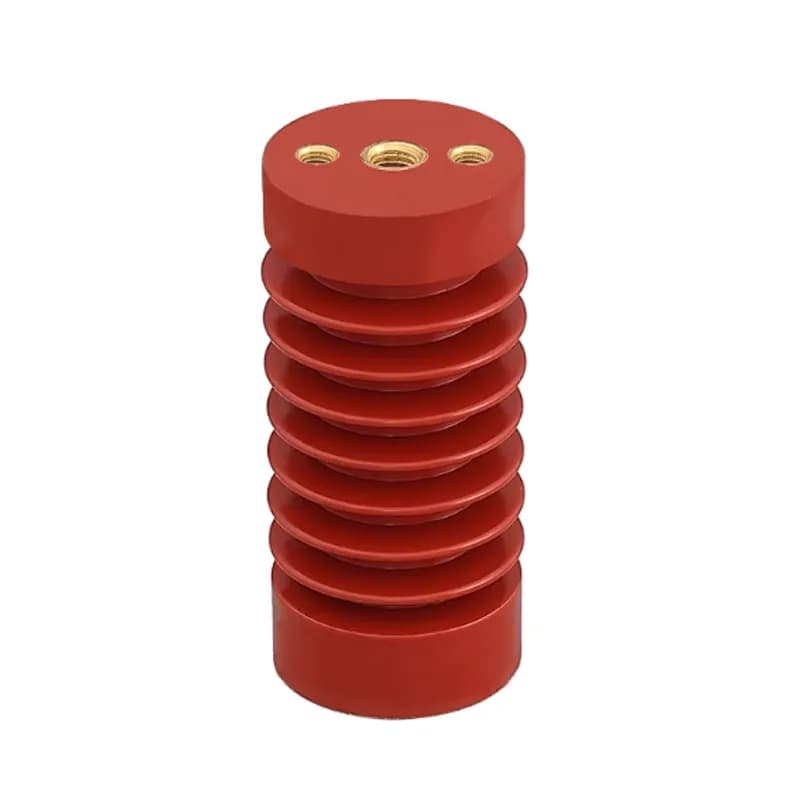
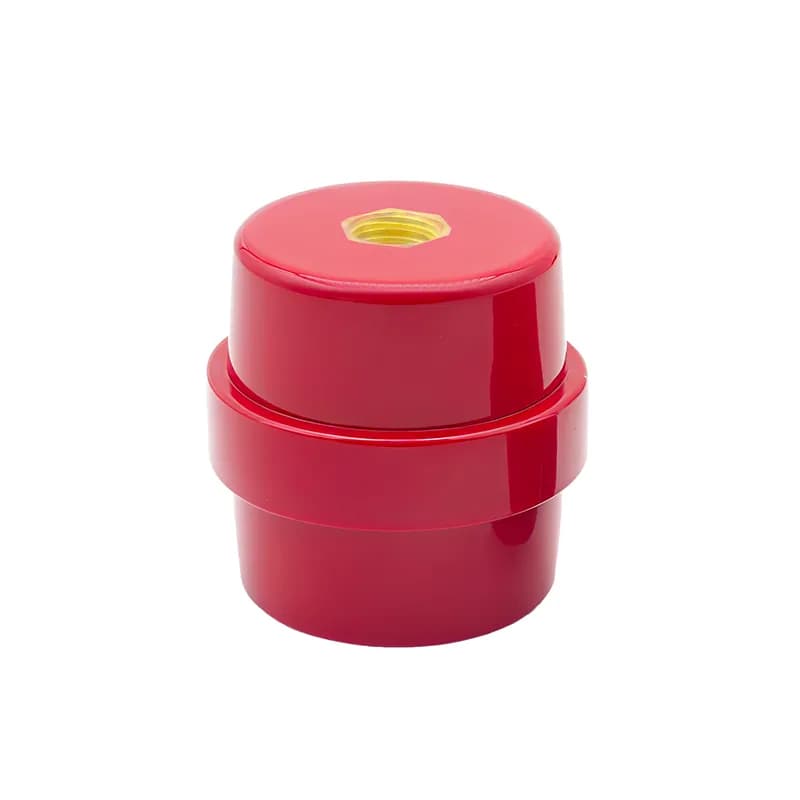
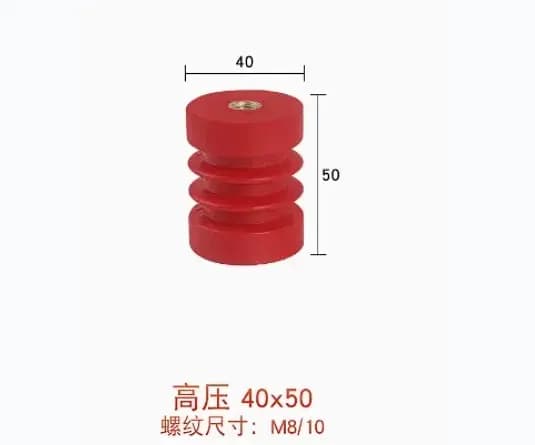
Most programmes mark the phases differently, and the usual way to do that on an insulator is the shell: red, grey, yellow or white. We list it as separate item numbers per family rather than one part with a painted detail, and the split is stated on the order.
Which phase gets which colour is the customer's convention, not ours. Some cabinets mark one phase red, some put a yellow shell on it, and a panel that already uses grey for a neutral should keep doing so. We ask for the marking drawing or a sentence in the enquiry, because the assembly team is following that document and not our product page.
Colour also travels as a spare part. A body cracked in service is a piece-unit purchase against the standard line, so a programme can restock insulators without a second custom batch, and a project that changes its marking convention between tranches is not stuck with the first decision.
What colour does not do is carry any electrical meaning. Two insulators that differ only in shell colour are the same family and the same body; where a programme wants a physical difference between phases — a different height, a different insert, a different thread — that has to be a different item number, and it is worth saying so in the enquiry rather than relying on red versus grey.
The one convention we do follow is unit-of-order. A single insulator is a piece, a set with fixings is a set, a pair of poles is a pair, and the packing list keeps to those units so goods-in counts the same thing the quotation did.